How Missing Teeth Can Change Your Life
Grants Pass, OR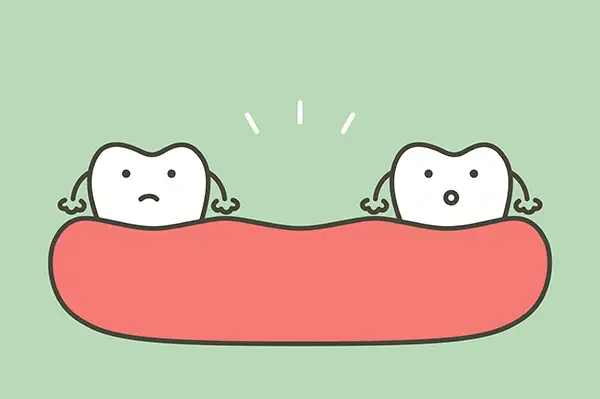
A single missing tooth can feel like a small inconvenience at first. Many people manage by chewing on the other side, keeping their lips closer together when smiling, or simply hoping no one notices the gap. Over time, though, that series of small adjustments adds up. Missing teeth, whether the result of injury, decay, or extraction, affect life in ways that go beyond the visible space, changing how people eat, how they feel about themselves, and how the structures of the mouth hold up with time. Addressing that loss is about more than filling a gap. It is about restoring what the tooth was doing beneath the surface and in daily life. The Social Weight of a Missing ToothPeople often underestimate how much a missing tooth shapes social behavior, especially when it is visible during speaking or smiling. It can make someone reluctant to laugh freely in group settings, careful about how they angle their face in photographs, or hesitant to speak up in professional situations. Over time, these small restraints can affect relationships, career interactions, and self-perception in ways that are difficult to attribute clearly to a single cause. Patients who have received a restoration frequently describe a shift in how they carry themselves, not because they were told to feel more confident, but because a concern that was quietly occupying mental space is no longer there. Function and appearance are so closely linked in everyday interaction that restoring one often restores the other as well. How Tooth Loss Affects the Way You EatChewing efficiency drops noticeably when even one tooth is missing, particularly if it is a molar responsible for grinding food. Many patients begin to favor the other side of their mouth without realizing it, which over time creates uneven wear and additional strain on the teeth that are compensating. Others begin to avoid foods that were once part of their regular diet, particularly harder or crunchier options that require full biting pressure. These changes can affect nutrition gradually. Patients may gravitate toward softer, easier-to-chew options and reduce their intake of raw vegetables, lean proteins, and other foods that are harder to manage. Across months and years, that dietary narrowing becomes more significant. Speech Changes That Are Easy to OverlookTeeth play a structural role in sound production. The tongue positions itself relative to the teeth to form certain consonants, and when one or more teeth are absent, those sounds can become less precise. Patients often notice this themselves first, finding certain words harder to produce clearly, before others mention it. The degree of change depends on which teeth are missing and how many. Front teeth have the most influence on speech clarity, though missing back teeth can also affect jaw positioning during speech. Many patients adapt over time, which can mask the change, but that adaptation often comes at the expense of ease and naturalness in conversation. What Is Happening Beneath the GumlineThe visible gap is only part of what changes after a tooth is lost. Beneath the gumline, the jawbone in the area of the missing tooth begins to lose density. Tooth roots stimulate the bone through the mechanical pressure of chewing, and without that stimulus, the body gradually reabsorbs the tissue. This process, called resorption, can begin within months of extraction and continues over time if left unaddressed. As bone volume decreases, adjacent teeth may drift toward the gap, and the opposing tooth can shift as it loses contact with what was once beside it. These structural changes can complicate future restorations and, in cases of significant bone loss, may require grafting before an implant can be placed. Dental Implants: A Restoration That Works at Every LevelDental implants address tooth loss at the level where the problem begins. A titanium post is placed into the jawbone and fuses with the surrounding bone through a process called osseointegration. Once integrated, it functions like a natural tooth root, transmitting chewing pressure to the bone and preventing the resorption that follows tooth loss. A custom crown is then attached to complete the visible restoration. Implants are available in configurations that address different degrees of tooth loss:
The Role of Dental CrownsWhether used as the visible cap on a single implant or as the anchor component of a bridge, dental crowns are central to many tooth replacement restorations. A crown is fabricated to match the shape and shade of surrounding teeth, and when placed on an implant, it functions like a natural tooth in virtually every way. Crowns are also used to restore teeth that have been significantly damaged by decay or fracture. When a tooth is weakened but still viable, a crown can protect it from further damage and restore normal function without requiring extraction. This versatility makes crowns one of the most commonly used restorations across a wide range of situations. Traditional Bridges and DenturesPatients who prefer a non-surgical approach, or who are not yet candidates for implants, have reliable options available. A traditional fixed bridge anchors to the teeth on either side of a gap, using those teeth as structural supports after they have been prepared and crowned. The bridge restores chewing function and appearance effectively. Partial and full dentures replace multiple missing teeth and are removable for daily cleaning. Modern dentures fit better and look more natural than older generations, and they remain a practical option for patients missing several or all of their teeth. When supported by implants, dentures gain meaningful stability and help preserve the bone beneath them. A Consultation Is the Right Place to Start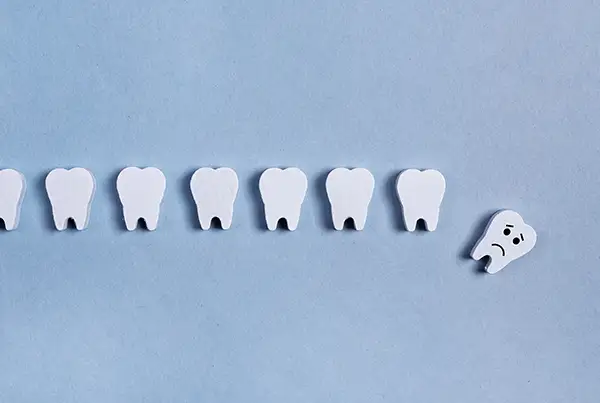
Every patient's situation is different in terms of which teeth are missing, how long they have been gone, the condition of the surrounding bone, and what kind of restoration will serve them best. A thorough evaluation is the only way to know which options are appropriate and what each one involves. Our team at The Center for Esthetic Dentistry is here to help you understand your options clearly so you can make a decision that works for your health and your life. Call us at 541-476-8788 to schedule your consultation today. |
 Hours Mon Tues Weds Thur Fri Sat - Sun 8am to 5pm 8am to 5pm 8am to 5pm 8am to 5pm 8am to 5pm Closed |
