How Implants Prevent Bone Loss
Grants Pass, OR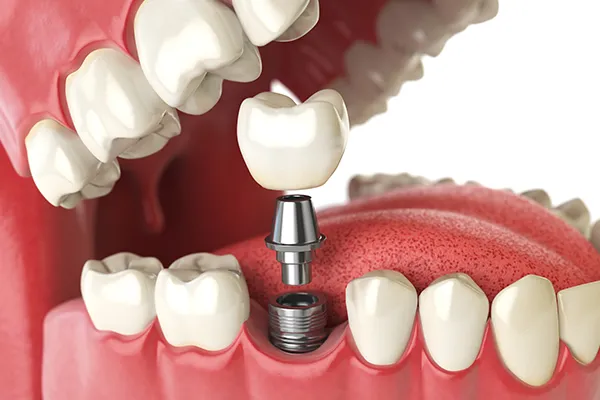
Tooth loss does more than change the way a smile looks. It also affects the health of the jawbone beneath the surface. At The Center for Esthetic Dentistry, care is centered on the connection between oral structures and overall well-being. When a tooth is missing, the surrounding bone no longer receives the stimulation it needs to stay strong. Over time, this can lead to gradual bone loss that impacts both function and facial appearance. Dental implants offer a way to address missing teeth while also supporting the underlying bone. By replacing the entire structure of a natural tooth, implants help preserve jaw health in a way that traditional options cannot. What Happens to Bone After Tooth Loss?The jawbone relies on regular stimulation from everyday activities like chewing and biting. Each tooth root transfers pressure into the bone, signaling the body to maintain its density and strength. When a tooth is lost, that stimulation disappears in the affected area. Without consistent use, the body begins to break down the bone tissue in a process called resorption. This is a natural response, but it can lead to noticeable changes over time. The jawbone may shrink, become less dense, and lose its ability to support surrounding teeth and facial structures. Bone loss does not happen all at once. It can begin soon after tooth loss and continue gradually. In some cases, patients may notice changes in their bite, shifting teeth, or a sunken appearance in the face. These changes can make future dental treatments more complex if not addressed early. Why Traditional Tooth Replacement Options Fall ShortOptions like dentures and dental bridges can restore the appearance of missing teeth, but they do not replace the root structure. This means they sit above the gumline without interacting directly with the bone. Because there is no root to stimulate the jaw, bone loss can continue even after these restorations are placed. Over time, this may affect how well dentures fit or how stable surrounding teeth remain. Adjustments or replacements may be needed as the shape of the jaw changes. How Dental Implants Support Jawbone HealthDental implants are designed to replace both the visible portion of a tooth and its root. A small post is placed within the jawbone, where it functions similarly to a natural root. Once in position, it becomes integrated with the surrounding bone through a biological process. This integration allows the implant to transfer chewing forces into the jaw, just like a natural tooth would. As a result, the bone continues to receive the stimulation it needs to remain healthy and stable. By maintaining this connection, implants help prevent the breakdown of bone tissue. They support the natural structure of the jaw and reduce the risk of the changes commonly associated with tooth loss. The Role of Osseointegration in Bone PreservationA key factor in how implants prevent bone loss is a process known as osseointegration. This occurs when the bone tissue grows around and bonds with the surface of the implant. The result is a secure and stable foundation that becomes part of the body's natural structure. Osseointegration allows the implant to function as a true replacement for the tooth root. When pressure is applied during chewing, the force is distributed through the implant and into the surrounding bone. This ongoing stimulation signals the body to maintain bone density. Without this process, the implant would not provide the same protective benefit. Successful integration is essential for both the function of the implant and its ability to preserve the jawbone over time. Preventing Changes in Facial StructureBone loss in the jaw does not only affect oral health. It can also influence facial appearance. The jawbone provides support for the muscles and soft tissues of the face. When bone volume decreases, these structures may begin to shift. This can lead to a sunken or aged appearance, particularly around the mouth and lower face. Lips may appear thinner, and the distance between the nose and chin may seem reduced. These changes can occur gradually, making them easy to overlook at first. Dental implants help maintain the natural contours of the face by preserving the underlying bone. By supporting the jaw, they help retain facial balance and structure, contributing to a more natural appearance over time. Supporting Long-Term Oral FunctionBone health plays a critical role in how the mouth functions. A strong jawbone provides stability for teeth and allows for efficient chewing and speaking. When bone loss occurs, these functions can become compromised. Dental implants restore stability by anchoring securely within the bone. This allows patients to bite and chew with confidence, without the shifting or discomfort that can occur with other restorations. The ability to eat a wide variety of foods also supports overall health and nutrition. In addition, implants help maintain alignment within the mouth. By filling the space left by a missing tooth, they prevent neighboring teeth from shifting out of position. This contributes to a balanced bite and reduces the risk of additional dental concerns. Who May Benefit from Dental Implants?Many patients who are missing one or more teeth may be candidates for dental implants. Ideal candidates typically have healthy gums and sufficient bone to support the implant. However, even those who have experienced some bone loss may still have options available. Advancements in dental care have made it possible to rebuild bone in certain cases, creating a stable foundation for implant placement. A thorough evaluation can determine the best approach based on each individual's needs. At The Center for Esthetic Dentistry, treatment planning considers the full picture of a patient's oral and overall health. The goal is to create results that support comfort, function, and appearance while promoting long-term wellness. Maintaining Implant Health Over TimeOnce dental implants are placed, proper care is essential to maintain their health and function. Daily brushing and flossing help keep the surrounding gums healthy, which is important for supporting the implant. Regular dental visits allow for ongoing monitoring and professional care. These appointments provide an opportunity to check the stability of the implant and address any concerns early. With consistent care, dental implants can continue to support the jawbone and surrounding structures for many years. Their durability and stability make them a reliable solution for preserving oral health. A Comprehensive Approach to Tooth Replacement
Tooth replacement is not only about restoring a smile. It is also about protecting the structures that support long-term oral health. Dental implants offer a solution that addresses both concerns by replacing the missing tooth and preserving the bone beneath it. At The Center for Esthetic Dentistry, care is focused on the connection between oral health and overall well-being. By choosing a treatment that supports the jawbone, patients can maintain both function and appearance over time. If you are missing teeth or considering your options for replacement, a consultation can provide clarity on the next steps. A personalized approach can help restore balance to your smile while protecting the health of your jaw for the future. Call us today at 541-476-8788 to set up an appointment. |
 Hours Mon Tues Weds Thur Fri Sat - Sun 8am to 5pm 8am to 5pm 8am to 5pm 8am to 5pm 8am to 5pm Closed |
