Scaling and Root Planing
Cosmetic Dentistry Grants Pass, OR
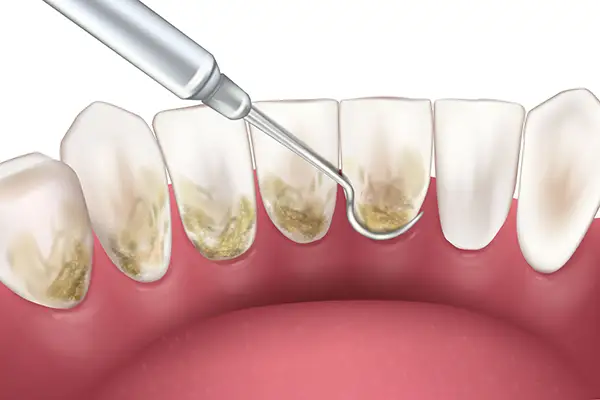
When a dentist or periodontist recommends scaling and root planing, it is natural to have questions. What does the procedure involve? How long does it take? Will it be painful? What happens afterward? These are practical concerns, and having clear answers helps patients approach treatment with confidence rather than anxiety.
Scaling and root planing is a non-surgical procedure performed below the gumline to treat gum disease. It is one of the most frequently performed periodontal treatments and, when done at the right stage of disease progression, can produce meaningful improvements in gum health without the need for more invasive intervention.
The Periodontal Evaluation That Comes First
Before treatment begins, the dentist will conduct a thorough periodontal evaluation at The Center for Esthetic Dentistry. This includes a full-mouth probing, where a small measuring instrument is used to check the depth of the spaces between the gums and teeth at multiple points around each tooth. Healthy gum pockets are typically one to three millimeters deep. Readings of four millimeters or greater, especially when combined with bleeding, bone loss visible on X-rays, or clinical inflammation, indicate gum disease.This baseline data tells the dentist which areas require treatment, how severe the disease is, and what outcomes can be expected after scaling and root planing.
Preparing for the Procedure
Scaling and root planing does not require special preparation on the patient's part. Eating a normal meal beforehand is usually fine, since local anesthetic will be used to numb the treatment area. If anxiety about dental procedures is a concern, discussing it with the dentist before the appointment is worthwhile. Options to make the experience more comfortable may be available.Treatment is typically divided into sessions corresponding to different sections of the mouth. Treating two quadrants per visit, for example, allows each area to be addressed thoroughly while keeping appointments to a manageable length.
During the Procedure: What Is Happening and Why
Once the area is numb, the dentist begins the scaling phase. Specialized instruments are used to reach below the gumline and within the gum pockets to remove hardened deposits of tartar and bacterial buildup that cannot be reached with a standard cleaning. Ultrasonic scalers use vibration and water to dislodge deposits efficiently, while hand instruments allow for careful work in areas requiring more precision.
Following scaling, root planing begins. The surfaces of the tooth roots are smoothed to remove irregularities caused by gum disease and to create a clean surface that is less hospitable to bacteria. This smoothing also encourages gum tissue to heal and reattach to the root surface as the infection resolves.The amount of time each appointment takes depends on the extent of the disease and the number of areas being treated. Most patients find the procedure comfortable and are surprised at how manageable it is.
Immediately After Treatment
It is common to feel some tenderness and achiness in the treated areas once the anesthetic wears off. Over-the-counter pain relievers can help manage this effectively. Sensitivity to cold is also typical in the first week or two, as the roots that were cleaned are now slightly more exposed than before. This sensitivity diminishes as the gums heal.
Our team will provide specific aftercare instructions, which typically include avoiding hard or crunchy foods for a day or two, rinsing with a prescribed or over-the-counter antimicrobial solution, and being gentle when brushing near the treated areas. Keeping follow-up appointments is part of the aftercare process.
The Follow-Up Visit
Several weeks after the last scaling and root planing session, we will schedule a re-evaluation. This appointment involves re-probing the gum pockets to measure how much improvement has occurred. It is common to see meaningful reductions in pocket depth, reduced bleeding on probing, and improved tissue firmness.
If some areas have not responded as well as expected, additional treatment options may be discussed. These could include locally applied antibiotics placed directly in the pocket, or evaluation for surgical treatment in areas with persistent deep pockets or bone loss.
After Healing: Transitioning to Periodontal Maintenance
Once the active phase of treatment is complete and healing has been assessed, patients move into a periodontal maintenance phase. This means returning to The Center for Esthetic Dentistry more frequently than the standard twice-a-year schedule, typically every three to four months. The purpose is to keep bacterial levels low, monitor the health of gum pockets over time, and address any new buildup before it has a chance to reignite the disease.
Consistent maintenance is what makes the difference between gum disease that is managed successfully over the long term and gum disease that returns. Patients who follow through on their maintenance schedule tend to have significantly better outcomes.
Questions Are Always Welcome at The Center for Esthetic Dentistry 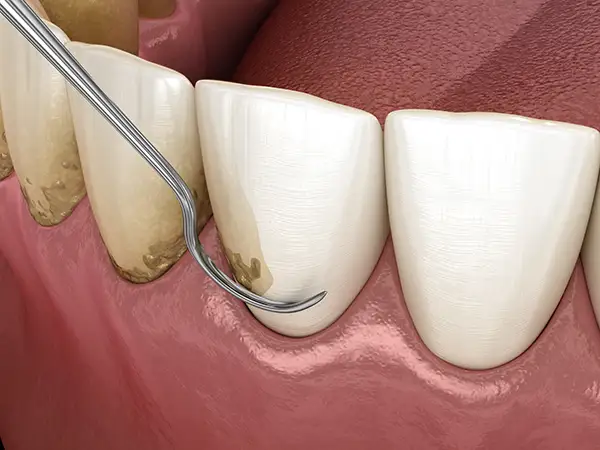
If you have questions about scaling and root planing, what to expect from the process, or whether it is the right treatment for your situation, our dental team at The Center for Esthetic Dentistry is happy to walk you through it. Call 541-476-8788 to schedule a consultation or periodontal evaluation. Understanding your treatment is an important part of feeling confident about moving forward, and the team here is committed to making that as straightforward as possible.
|